
Functional maturity, disease modelling and multi-cell systems for drug discovery
We start with human physiology: what studies in people reveal about how our tissues work in health and disease, and what that means for designing in vitro models that are truly relevant.
From there we move to the models themselves. We’ll look at what makes iPSC-derived cells a strong foundation for human-relevant research, how disease models can be built and studied, and how combining cell types brings more of human biology into a single system.
We close on applications: where iPSC-derived models fit as new approach methodologies across drug discovery and safety, and what that means for making better-informed decisions earlier.
Two speakers, roughly 20 minutes each, followed by live Q&A.
This webinar is for scientists in early discovery, disease biology, DMPK and predictive toxicology, plus anyone evaluating new approach methodologies for their pipeline.
Speakers

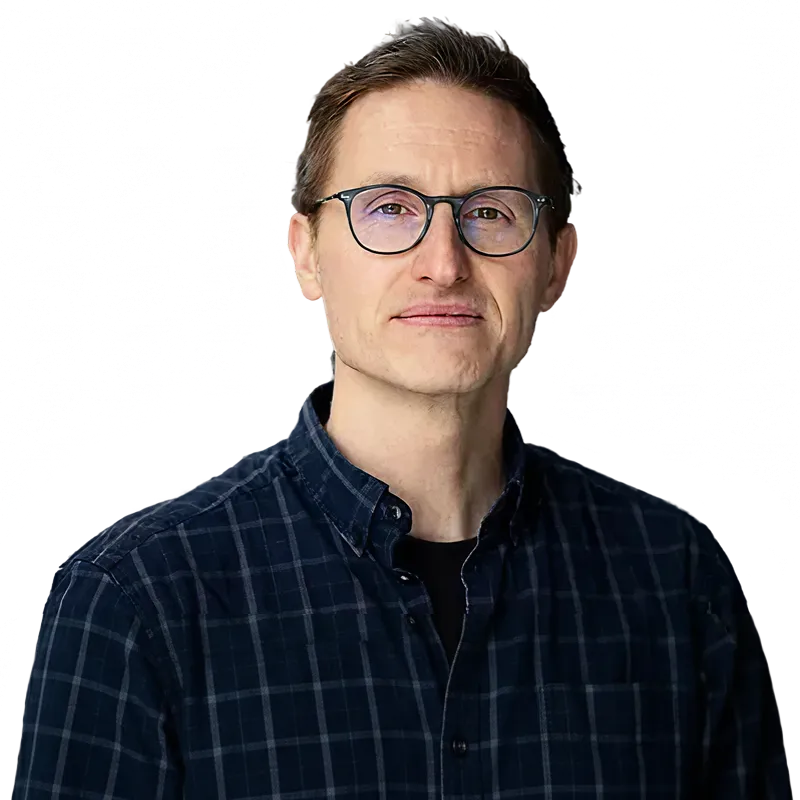
Dr. Nikolaos Nikolaou is Global Head of Cell Biology & General Manager (UK) at Pixl Bio. He specializes in iPSC-derived hepatocyte systems and image-based phenotyping. Previously Head of R&D at DefiniGEN, he led disease-model portfolio development—including Opti-HEP hepatocytes and MASLD models—and progressed from Senior Scientist (May 2022) into leadership while partnering with pharma and CROs. Before industry, Nikolaos earned his DPhil at the University of Oxford and held postdoctoral posts at Oxford and the University of Cambridge, researching steroid and bile-acid metabolism in liver disease. He is a frequent speaker on hepatocyte models and predictive toxicology, including a GEN webinar on using iPSC-derived hepatocytes for disease modeling and screening.
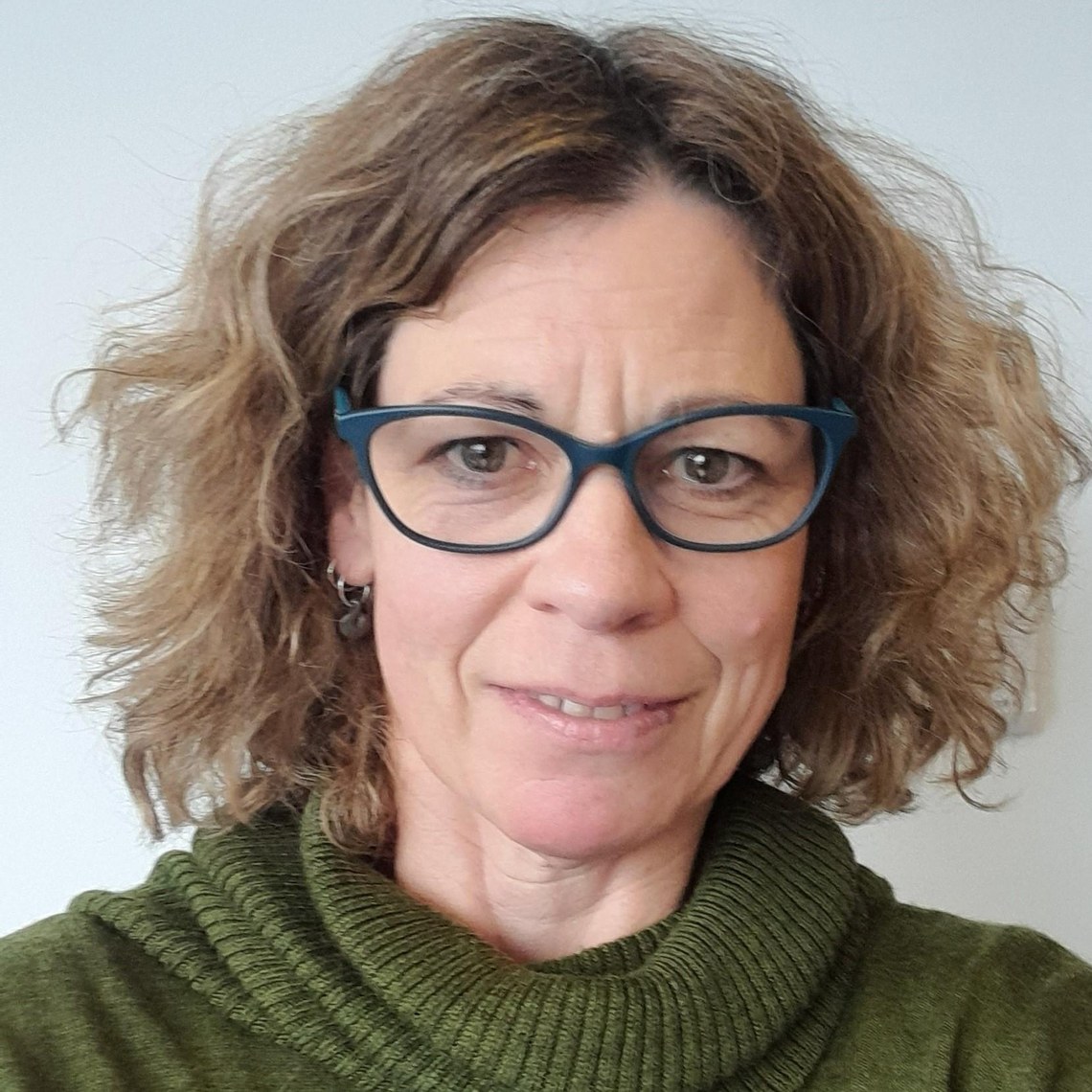
Professor Leanne Hodson is Professor of Metabolic Physiology in the Radcliffe Department of Medicine at the University of Oxford and a British Heart Foundation (BHF) Senior Basic Science Research Fellow. She co-leads the Oxford Metabolic Research Group with Professor Fredrik Karpe. Her research looks at how nutritional state and substrates such as sugars and fatty acids shape human metabolism, and at the consequences of obesity. She focuses in particular on liver fat metabolism and fatty liver disease, and on their links to cardiovascular disease and type 2 diabetes. Her work combines whole-body human physiological studies with ex vivo and in vitro cellular models, using stable-isotope tracers to follow how metabolic substrates are handled. She has held BHF Intermediate and Senior Fellowships since 2011, following a Health Research Council of New Zealand Career Development Fellowship that brought her to Oxford in 2004.
What you’ll hear about
- What human physiology tells us about building more relevant in vitro models
- What makes iPSC-derived cells a reliable, scalable foundation for human biology research
- How disease models and multi-cell systems help us study human disease in the dish
- Where iPSC-derived models fit as new approach methodologies in discovery and safety
More webinars