pixMac is pixlbio's donor-matched, iPSC-derived macrophage. Paired with pixHep and pixStellate, it completes a liver tri-culture that separates a hepatotoxic drug from a safe one.
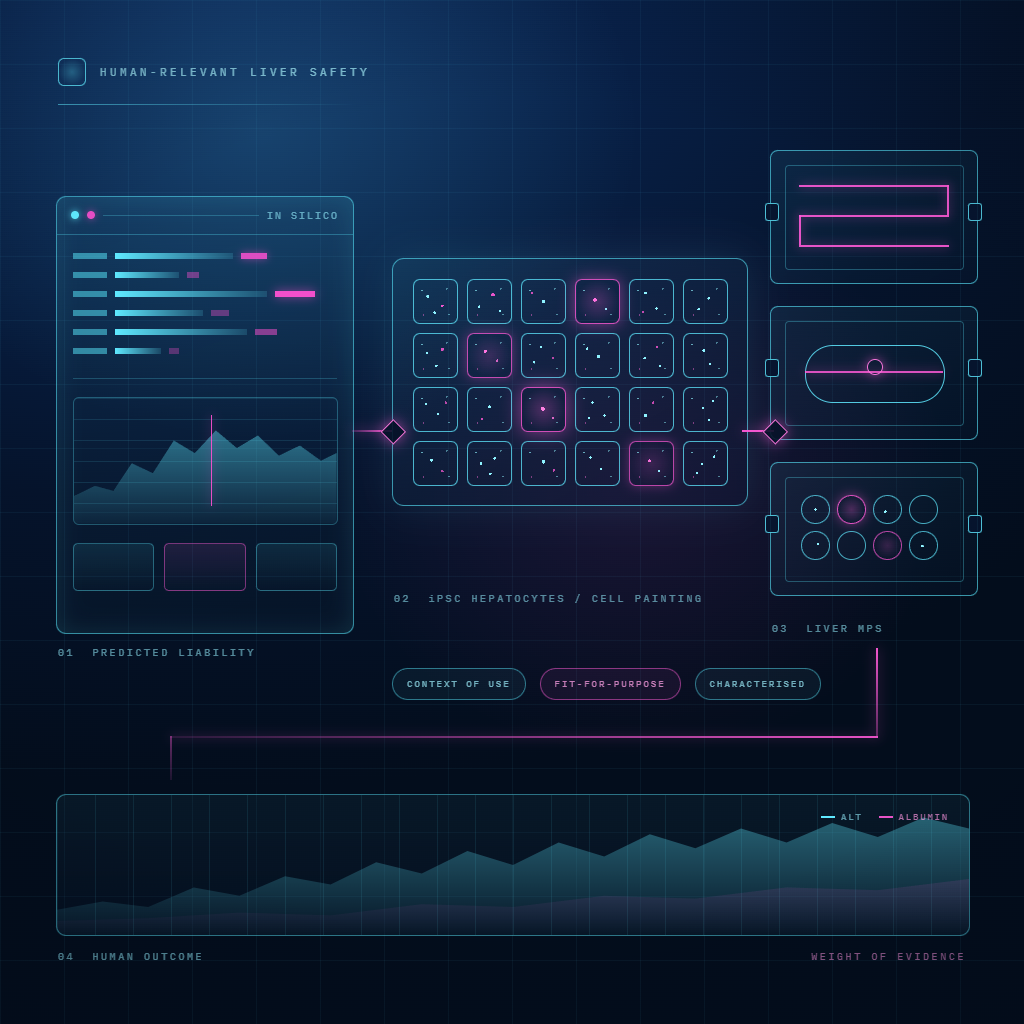
A year after FDA's roadmap to reduce animal testing, here's what's actually changed for liver safety, and why toxicologists still need more than a single NAM to trust the result.
Learn why iPSC-derived hepatocytes outperform HepG2 and primary cells for MASLD drug discovery — with PNPLA3/TM6SF2 risk variants, long-term culture and AI phenomics.
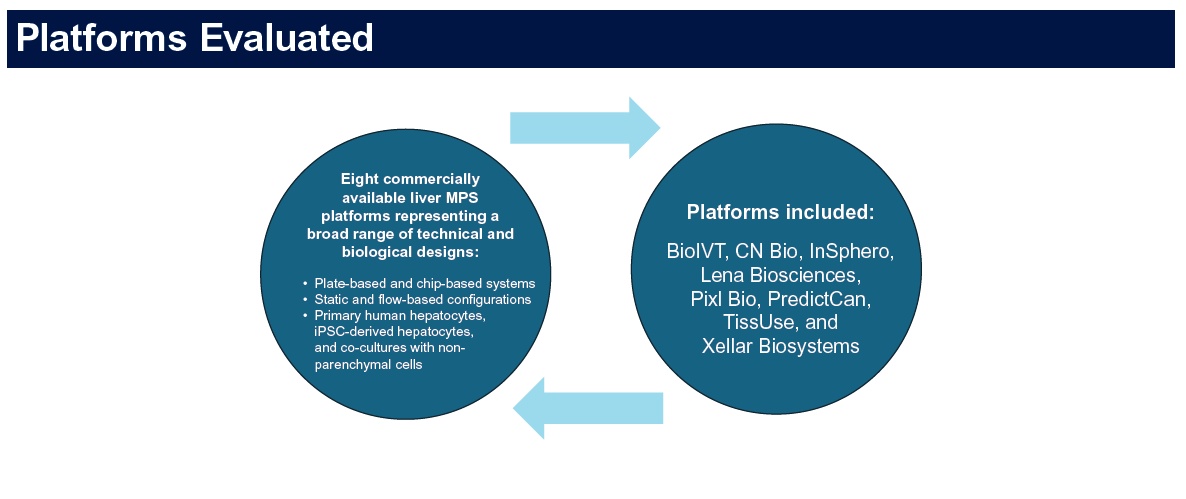
Pixl Bio (formerly DefiniGEN) contributed iPSC-derived liver MPS data to the FDA–3Rs Collaborative cross-platform DILI study. Read our findings and what it means for regulatory qualification.
High clinical trial failure rates demand better preclinical models. Discover how iPSC-derived hepatocytes outperform traditional cell cultures for predicting human liver responses.
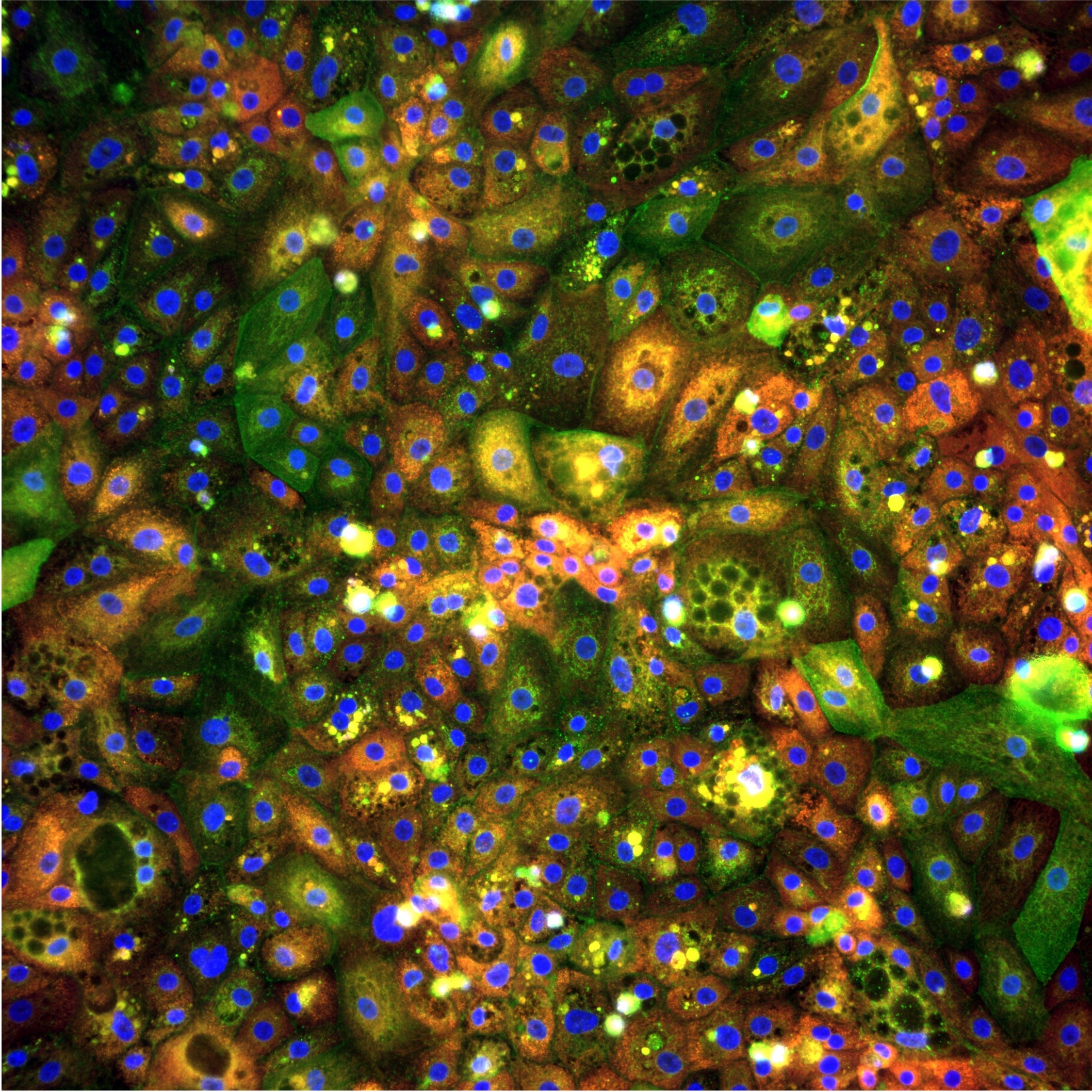
Drug-induced liver injury remains a major cause of clinical failure. Learn how pixbio combines human iPSC-derived hepatocytes with AI Cell Painting to decode early toxicity signals.
Compare HepG2, primary hepatocytes and iPSC-derived hepatocytes for drug discovery, DILI, and CYP450 studies — and why pixHep delivers scalable, consistent, human-relevant data.
In 2025, DefiniGEN became pixlbio. Here's the full story — and what our human iPSC-derived hepatocyte platform means for drug discovery, toxicology, and preclinical research.
Not sure whether to outsource CRISPR gene editing? Discover how pixbio delivers precise, reproducible iPSC disease models — from sgRNA design to final validation.
Progressive Familial Intrahepatic Cholestasis type 2 is a rare liver disorder. Explore how pixbio's iPSC-derived PFIC2 model supports cholestasis and liver failure research.