Pixels In.
Predictions Out.

Human iPSC-derived models + AI-driven phenomics — turning cellular images into actionable insight for drug discovery and safety assessment.
Trusted by leading biopharma partners for predictive biology and custom studies.
iPSC models
Cellular insights
High-content imaging
Disease modelling
Phenomics
COMING SOON

pixlOS — our operating system
for biological experimentation

Compass
Your guide through all pixlbio experimentation.
Cellbank
Quick access to your pixlbio inventory.
Alchemist
Your AI research assistant — queries and analyzes across the stack.
Lens
Interrogate your own pixlbio data as it's generated.
Tox Oracle
Predictive AI plus your pixlbio data, bridging preclinical to clinical.
About Platform

Combining human relevant data for safer, more accurate predictive insight

Clarity in every cell. Insight in every pixel. This is the full pipeline behind pixlOS — most partners start with just one step (see Products below) and add the rest when it's useful.
Step 1 — iPSC cell model creation for disease modelling
Step 1 — Model
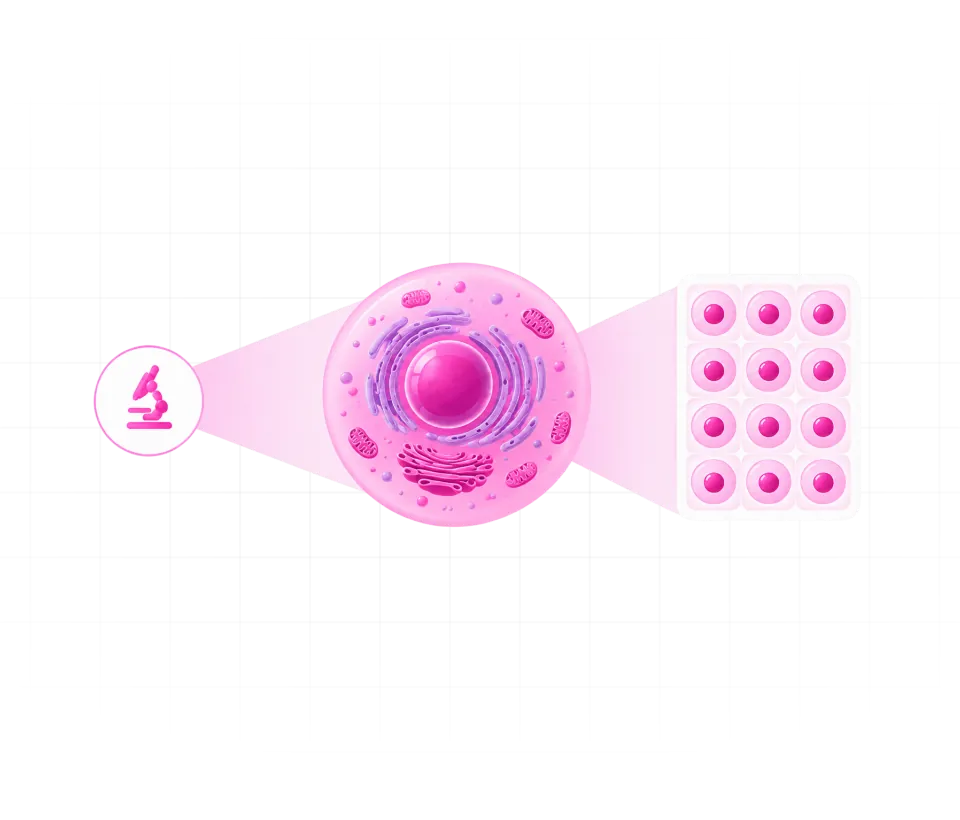
iPSC-derived models — or a cell line you already work with — recapitulate physiologically relevant, donor- and disease-specific phenotypes in vitro.
Step 2 — High-content cell painting and automated imaging
Step 2 — Screening
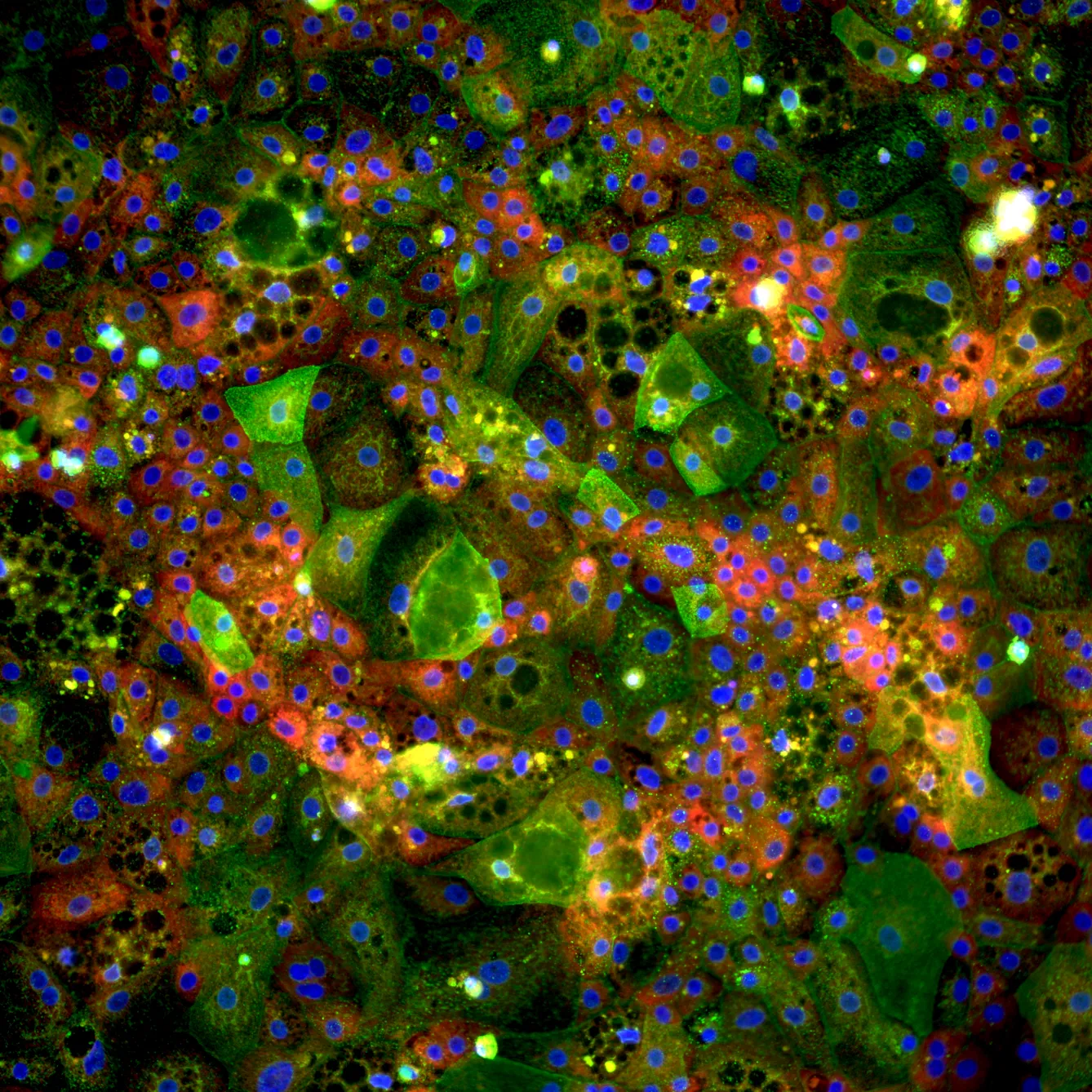
High-content Cell Painting and automated imaging quantify thousands of morphological features across millions of cells, whatever the cell source.
Step 3 — AI-driven phenomics and quantitative analysis
Step 3 — Analyze
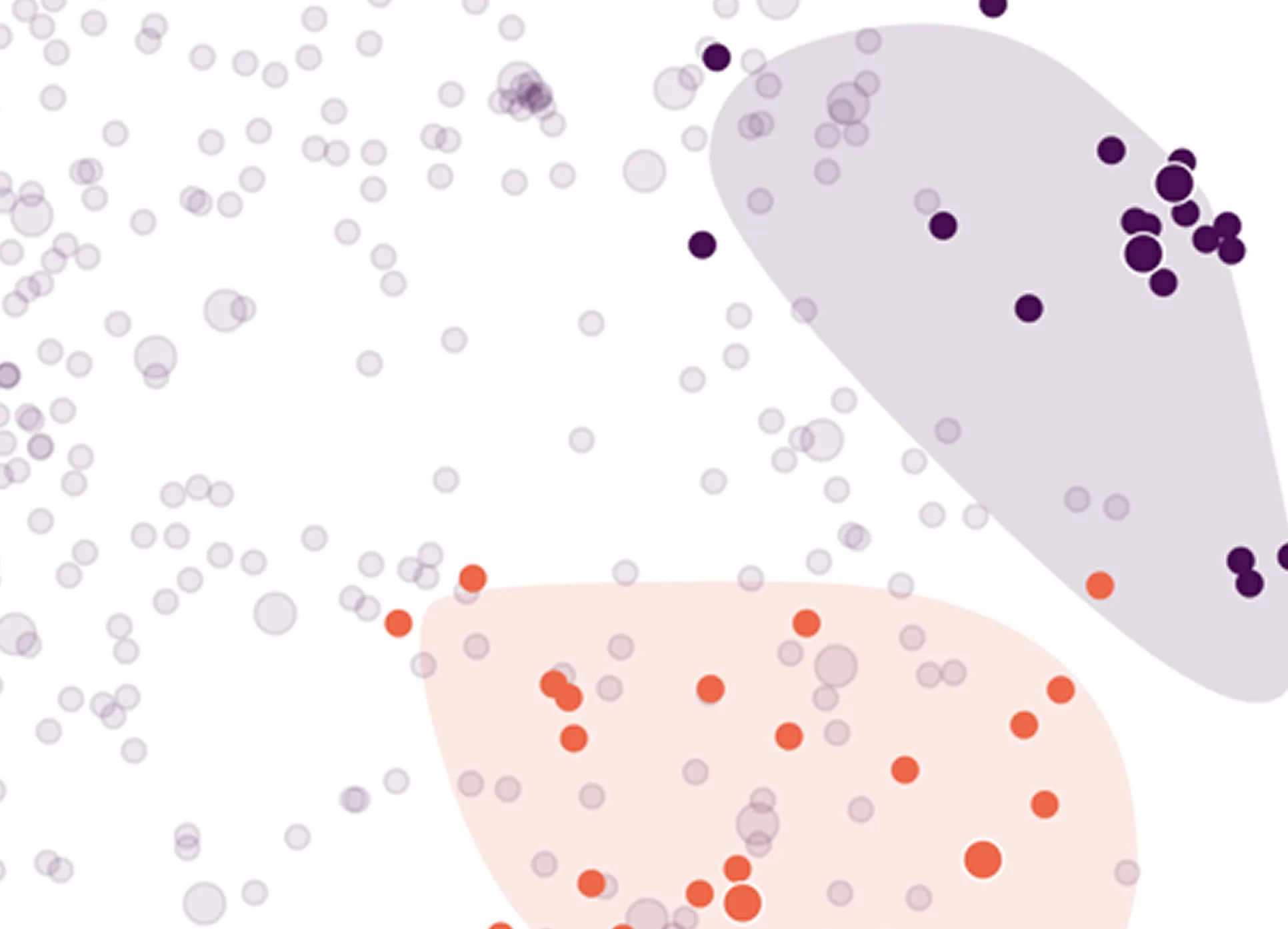
Tox Oracle, the predictive layer of pixlOS, converts these morphological profiles into quantitative signatures of disease phenotype, drug response, and toxicity.
Step 4 — Actionable insights from predictive cell models
Step 4 — Actionable Insights
Train predictive models on these molecular fingerprints to infer mechanism, optimize leads, and anticipate translational outcomes.
Automation at the Core

Clarity and consistency at scale

Automating data collection, analysis, and physical operations reduces time, human error, and increases the accuracy of every result.
Automated Experimentation
Integrated robotics handle setup, perturbations, and cell painting with consistency, minimizing variability and human intervention.
Intelligent Data Generation
Automated imaging and quality-control pipelines flag batch effects and technical artifacts before data leaves the pipeline, supporting reproducible results.
Predictive Modeling
AI models analyze phenotypic data to uncover mechanisms of action, flag toxicities, and predict drug responses.
Products

Four capabilities. One platform, tailored to your workflow.

iPSC-derived cell models, CRISPR-Cas9 genome engineering, and AI-driven, image-based phenomics are three separate capabilities that happen to work well together — not one bundled product. Order any of them on their own, today, with no dependency on pixlOS or on each other.
Cluster of small purple dots forming a circular ring with scattered donut-like shapes on a light pink grid background.
why partner with us
What's separate, and what comes together
Do I have to buy AI phenomics to order iPSC-derived cell models?
No — pixCells (our iPSC-derived hepatocytes, stellates, co-culture systems, and organoids) can be ordered as standalone products. pixCellPaint, our AI-powered phenomics platform, is available separately for customers who want high-content imaging and analysis layered on top.
Does pixCellPaint only work on pixlbio's own iPSC-derived cells?
No. While pixCellPaint is optimized for our pixCells product line, it can also be applied to primary and immortalized cells, as well as customer-supplied iPSC lines. Reach out to discuss compatibility with your specific cell model.
What is pixCRISPR?
pixCRISPR is our engineered disease modelling, using CRISPR editing to introduce disease-relevant genotypes for accurate, reproducible disease phenotypes.
Do I need pixlOS to order any of these products?
No — pixCells, pixCellPaint, and pixCellServices can all be ordered directly, without needing pixlOS. However, pixlOS gives you a live environment to view in silico predictions (via Tox Oracle) alongside wet-lab results in one place — so if you want to move from a risk flag straight into a mechanistic pixCells order and track results over time, access can be granted for that workflow.
why partner with us
Predictive insight, delivered as data you can act on
Human-relevant models
iPSC-derived cell modes that mirror human biology.
Scalable phenomics
High-throughput imaging and standardized cell painting.
Machine learning analytics
Plate-layout optimization to control batch effects, and models trained on quantitative phenotypic data.
Customizable studies
Tailored experiments and CRISPR-Cas9-engineered isogenic genotypes.
Actionable delivery
Dashboards, structured data packages, and consultative insights.

Trusted & Certified

ISO 9001:2015 certified — pixlbio quality management
Pixl Bio Ltd. has been assessed and approved to ISO 9001:2015 Quality Management System.
3Rs Collaborative Microphysiological Systems member
Proud member of the 3Rs Collaborative's Microphysiological Systems initiative.
Green Impact Gold Award — pixlbio
Green Impact
Gold Award winnings organization.

Trusted by 11 of the Top 20 Global Pharmaceutical Companies.

Our pixCell portfolio seamlessly integrates into custom data generation projects—from functional assays (pixCellServices) to phenomic analysis (pixCellPaint)—delivering ready-to-use data at your fingertips.
Cluster of small purple dots forming a circular ring with scattered donut-like shapes on a light pink grid background.

pixlbio’s unique combination of large scale automated Cell Painting capability, the high quality of the generated data, as well as their expertise in AI and predictive modelling, made them an obvious choice for AstraZeneca.”

Bjarki Johannesson, Director of Safety Innovation at AstraZeneca
Bjarki Johannesson
Director of Safety Innovation, AstraZeneca

pixlbio, was selected for the Sanofi iDEA-TECH Awards Program to receive Sanofi’s support for its project due to their demonstrated ability to develop high-quality predictive models from their exceptional data. Within the funded project, the pixlbio team showcased profound expertise in Cell painting for morphological profiling, automation, AI and predictive modelling, which truly validates them as deserving awardees.”

Bodo Brunner, Head of In Vitro Biology at Sanofi
Bodo Brunner
Head of In Vitro Biology and Cell Sample Technologies, Sanofi

pixlbio’s cellular models have significantly improved our Go-No/Go translational decisions across multiple programs over the years at Deep Genomics. The hepatic cell systems are far superior and physiologically relevant compared to commonly used cell lines. More recently, we have begun testing disease variant carrying models, further improving translatability of our screening systems. Working with both the BD and technical support teams at pixlbio has been an excellent experience. Response times have been very fast and technical support and information provided has been above and beyond on a regular basis. We are looking forward to working on additional systems coming from the pixlbio team.”


Denis Gallagher, Principal Scientist at Deep Genomics
Denis Gallagher
Principal Scientist, Deep Genomics
partner logo
partner logo
partner logo
Cluster of small purple dots forming a circular ring with scattered donut-like shapes on a light pink grid background.

iPSC Cell Models and AI Phenomics for Drug Discovery