Tox Oracle · the predictive layer of pixlOS

Every signal in. Tox risk out
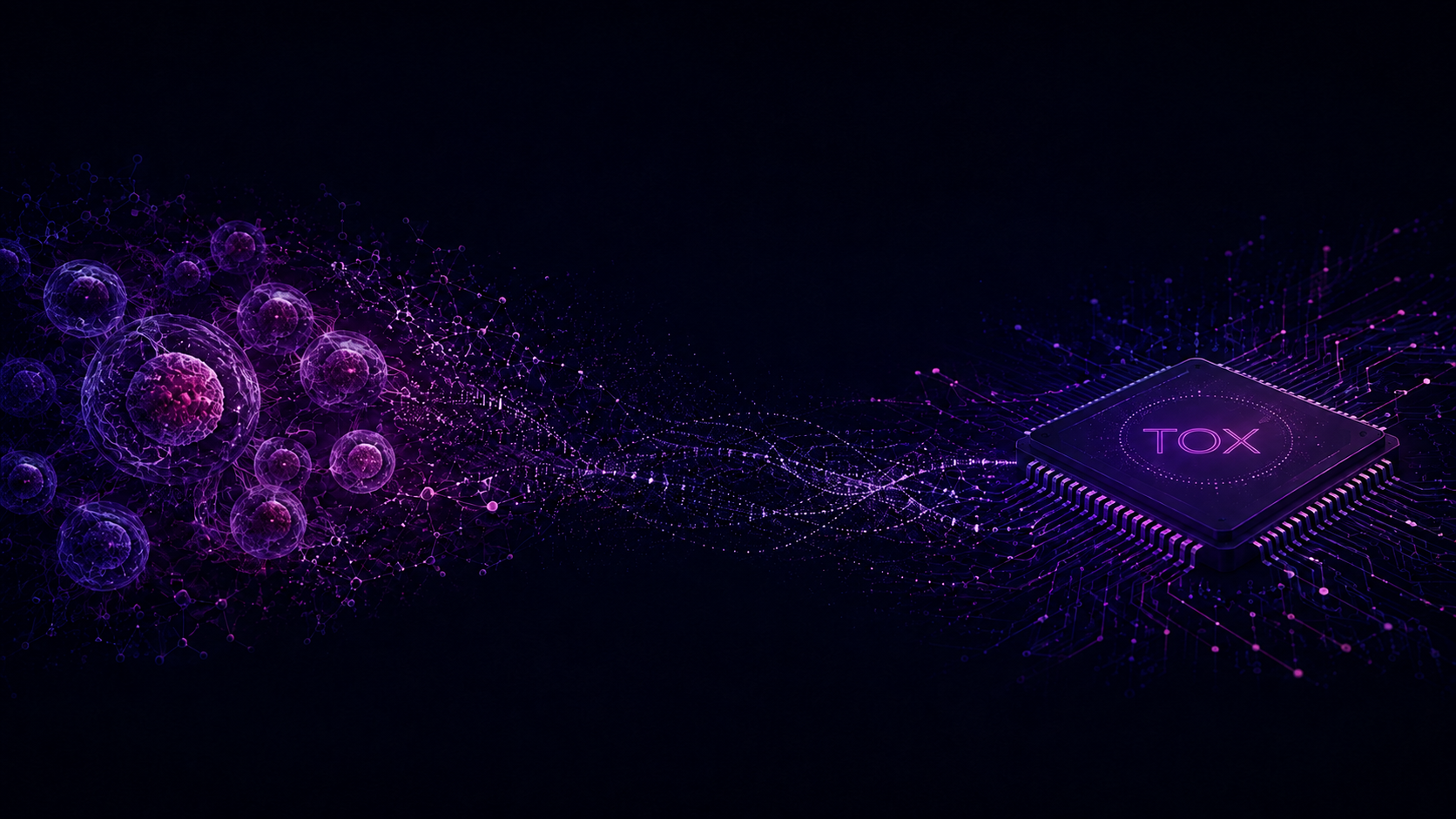
Tox Oracle fuses chemical structure, cellular phenotype, and clinical readouts into one calibrated toxicity prediction — architected to take on new data types, like transcriptomics, as they're validated.
Trusted by leading biopharma partners for predictive biology and custom studies.
One closed loop

No tool switching.
No waiting on a PDF
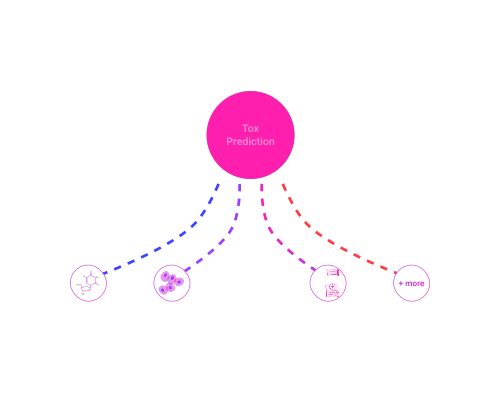
You start with a structure and never leave the workflow. Turn a high-risk flag into a mechanistic order in two clicks, and read the human cell result in the same view where you saw the prediction.
Step 1 — In silico
about-step-img
Tox Oracle
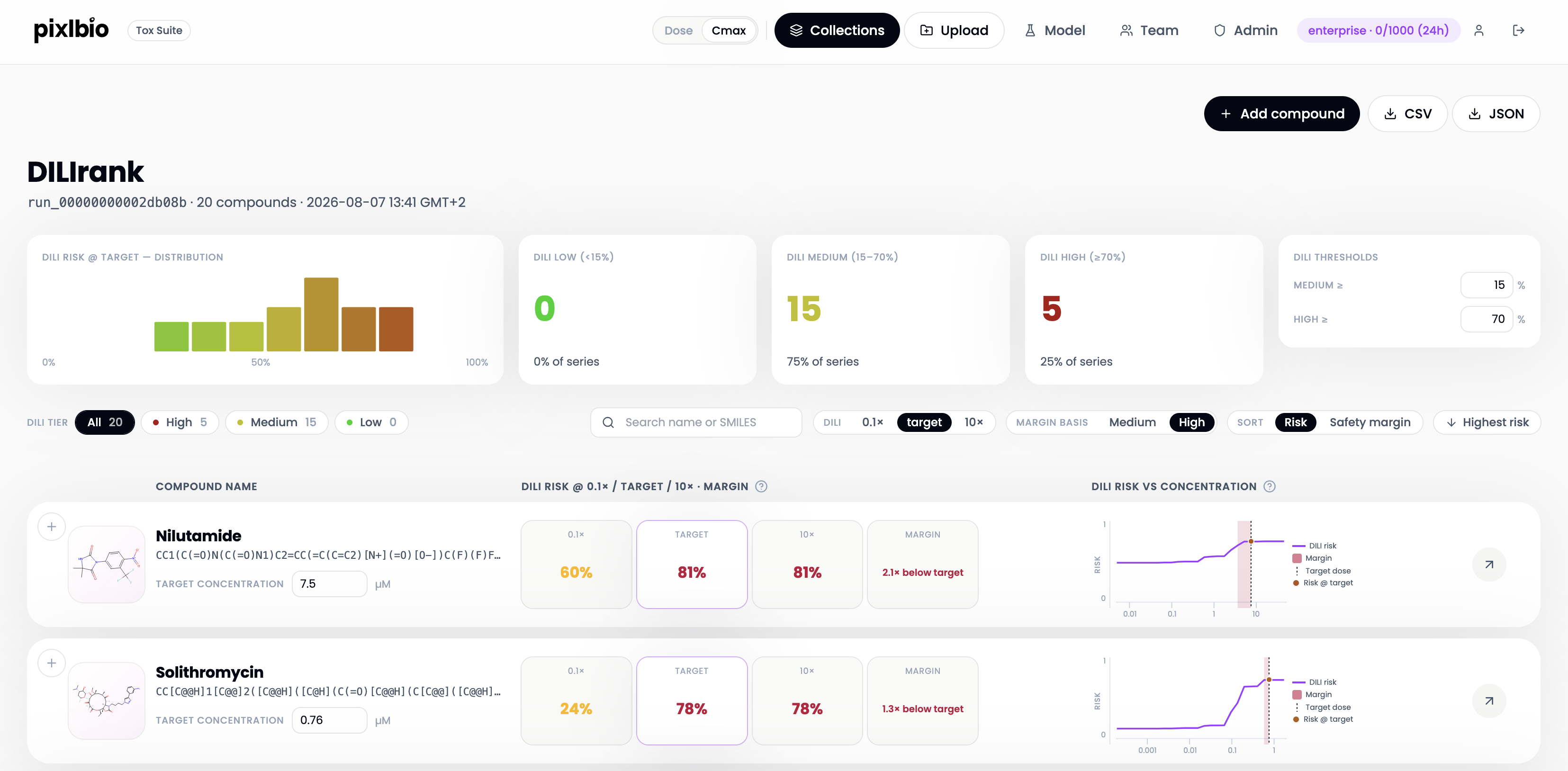
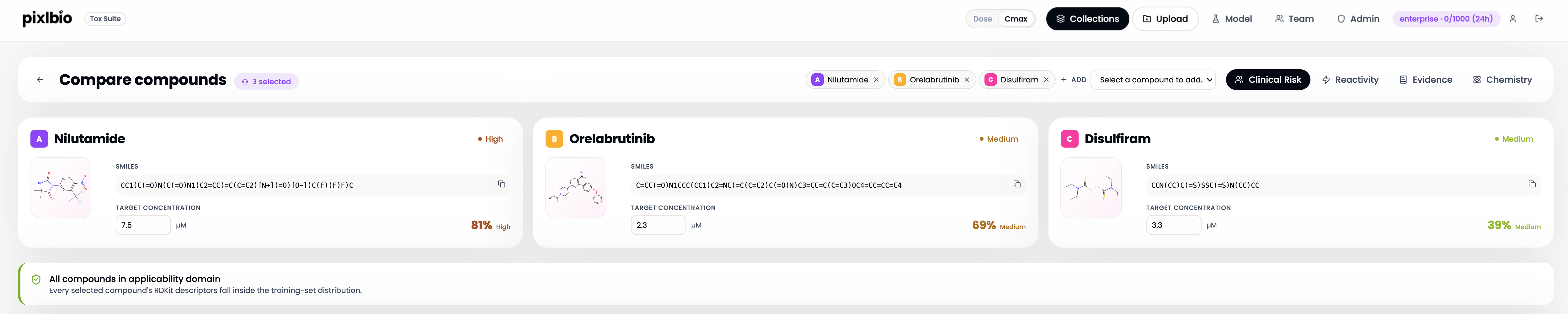
Input a structure. Get a calibrated DILI risk probability anchored to your intended dose, with feature-level explanations of what's driving the risk. Compound structures are never stored.
Subtract-xSubtract-y
Step 2 — In vitro
about-step-img
pixCells, mechanistic
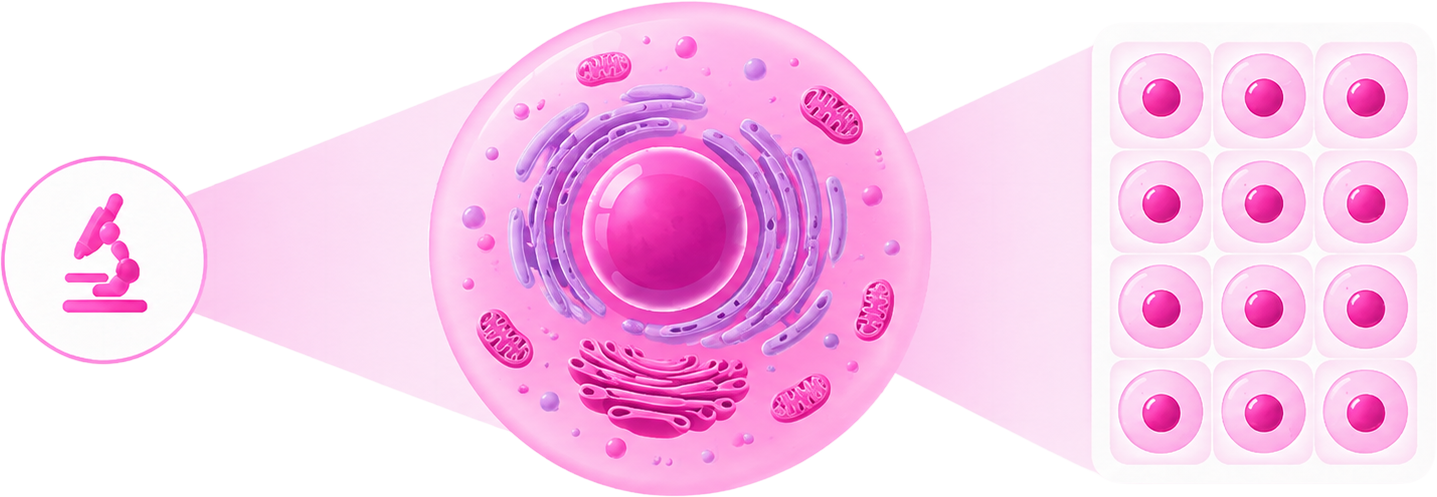
A high-risk flag becomes a wet-lab order in two clicks — mechanism resolved in pixHep human iPSC-derived hepatocytes, with Cell Painting morphological profiling alongside targeted functional assays.
Subtract-y
Step 3 — Delivery
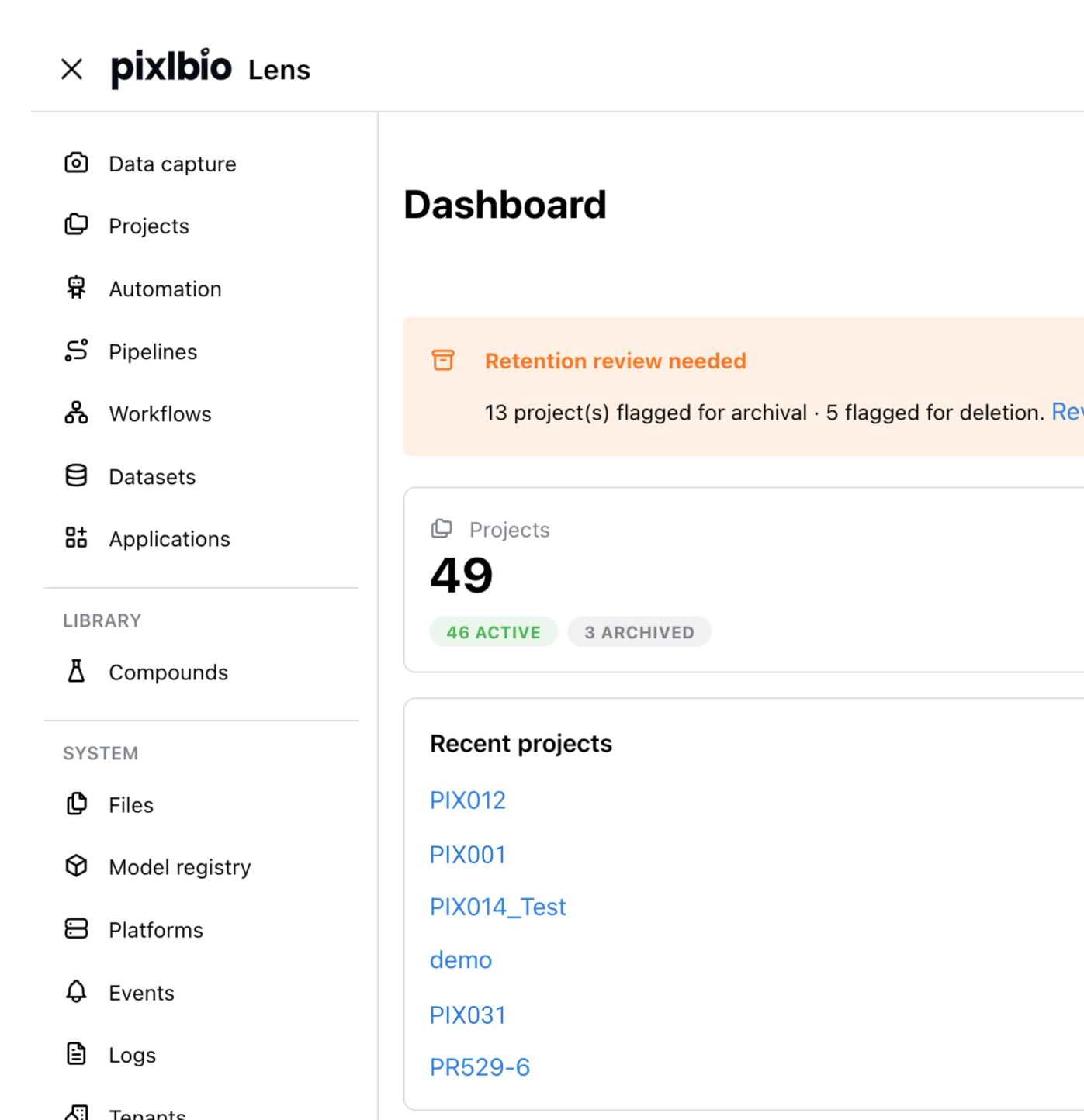
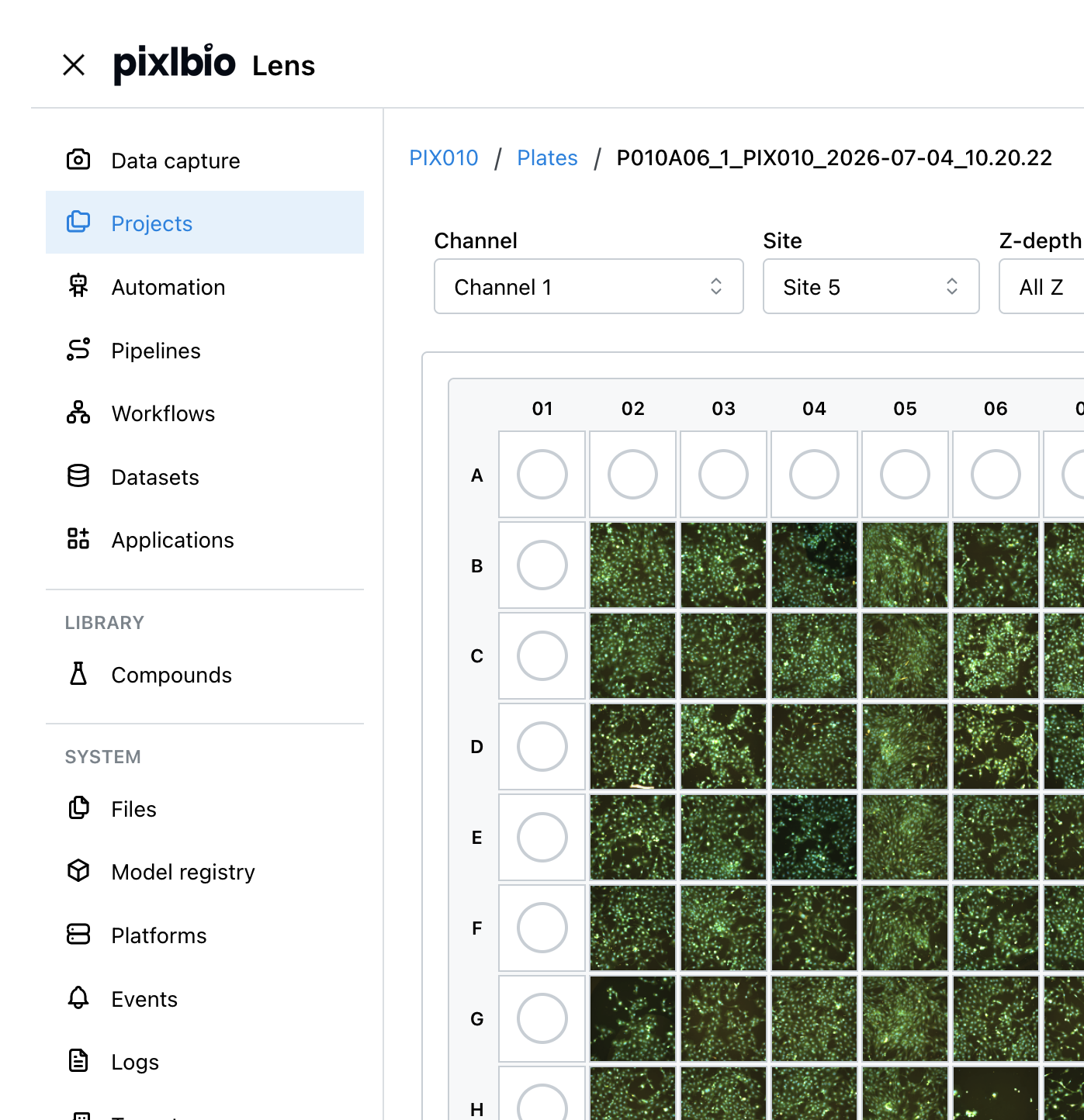
Lens
In silico predictions and wet-lab results, side by side in one environment — not a static report. Compare across studies and track results over time.
about-step-img
Tox Suite · Live product

The in silico layer

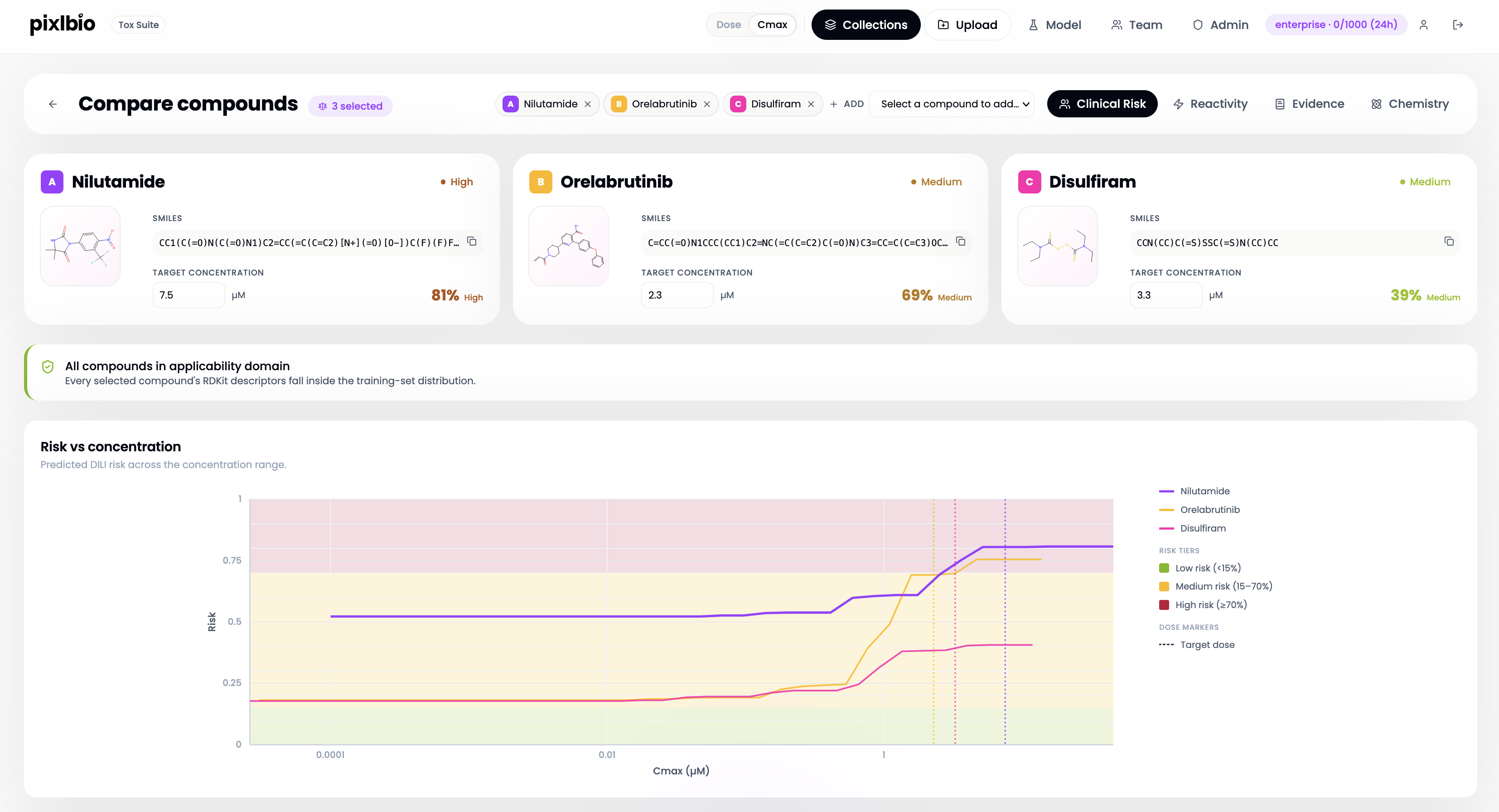
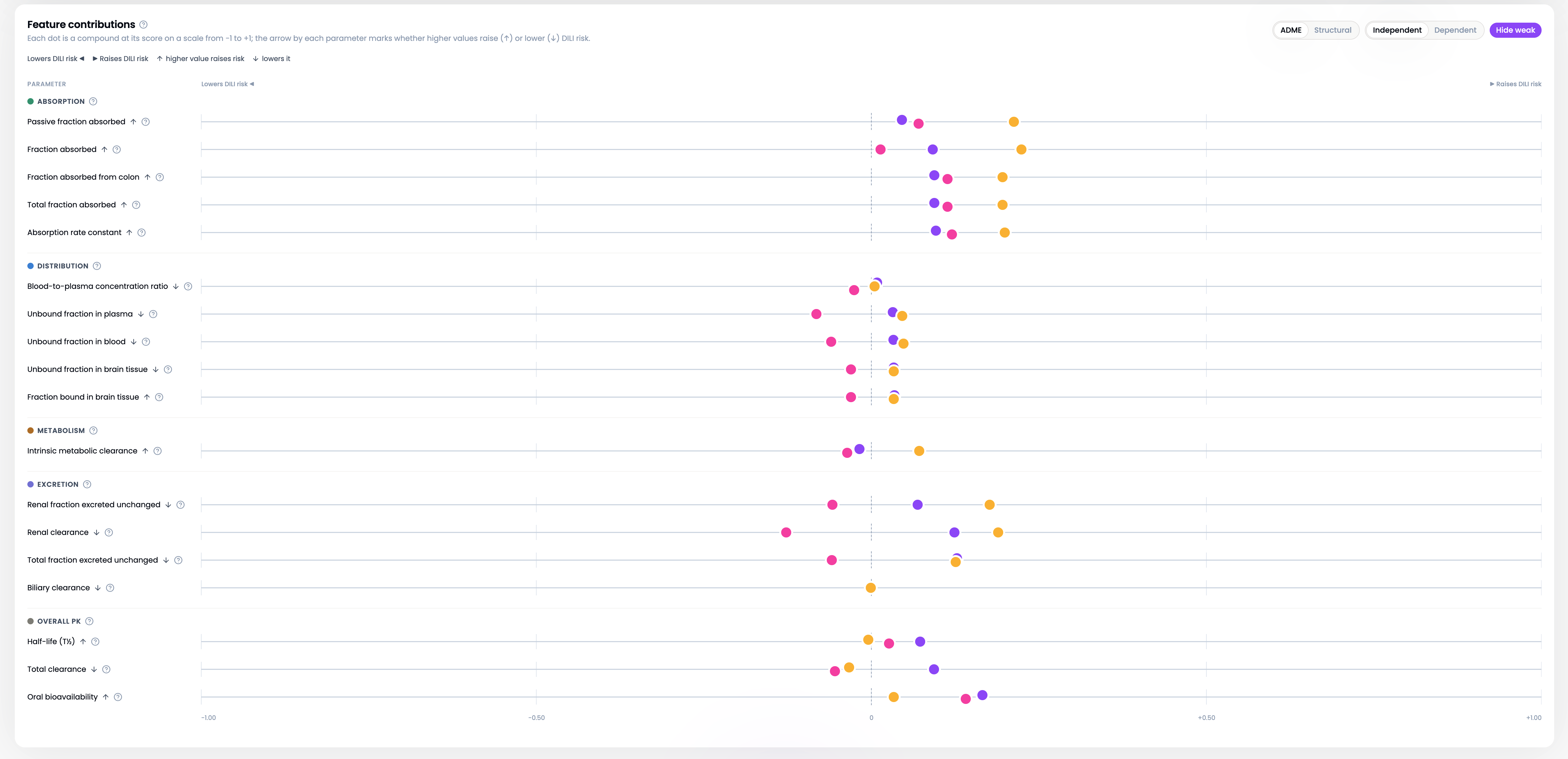
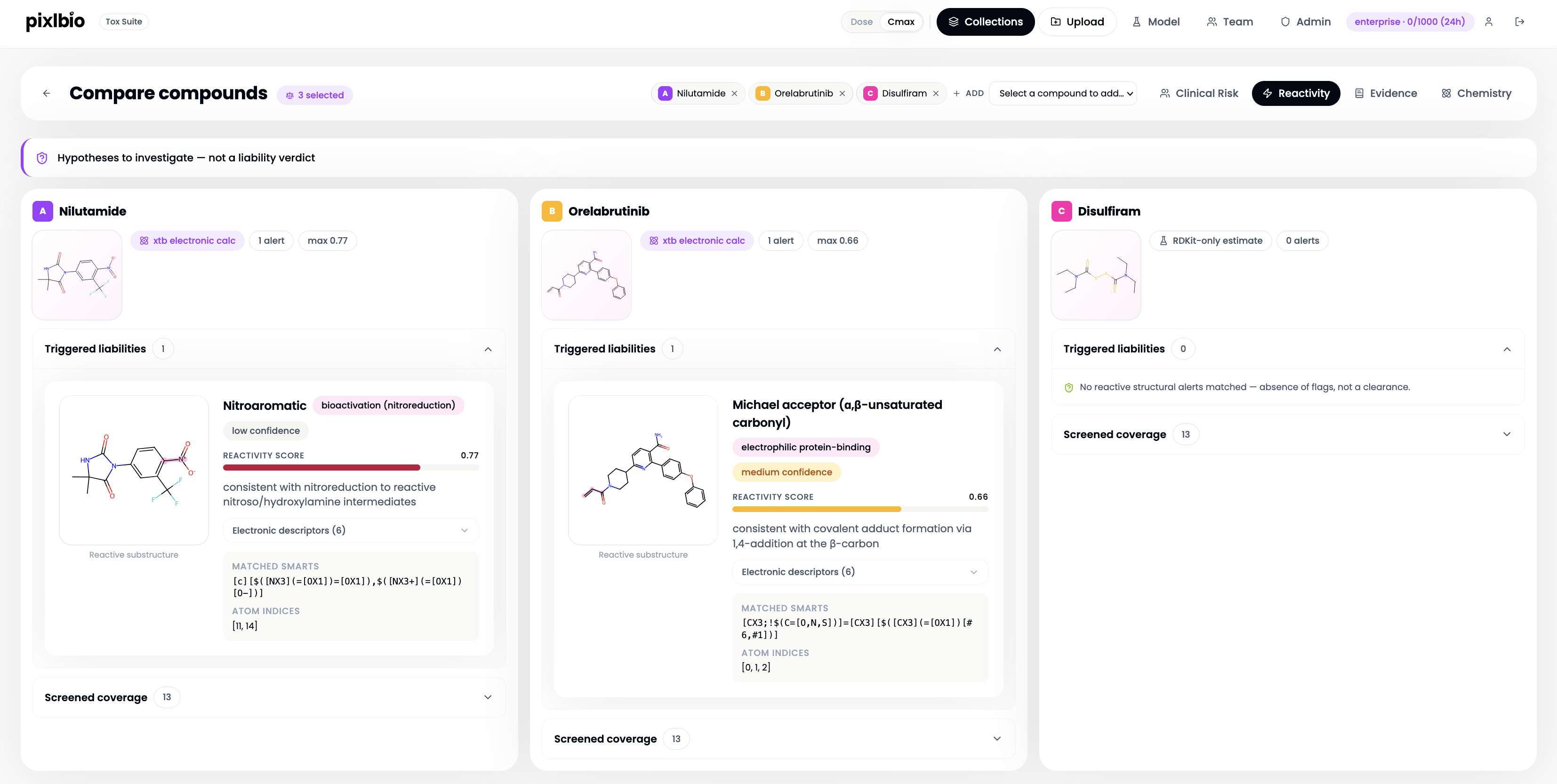
Input a SMILES, get a calibrated DILI risk probability, a dose-response curve, feature-level explanations of what's driving the risk, and a full applicability-domain check — all before committing a compound to synthesis.
Calibrated risk probability
A DILI risk probability anchored to your intended dose — not a bare score.
Dose–response curve
See how predicted risk shifts with exposure, not just a single point estimate.
Feature-level explanations
Understand what's driving the risk — the specific structural or exposure features behind the number.
Applicability domain check
Know when a compund falls outside the model's trained chemical space — flagged honestly, not silently guessed.
Zero structure storage
Predictions are stateless with respect to chemical identity. Your structure is never stored.
HOW CONFIDENCE BUILDS

From triage to verdict

Not every compound needs the same depth of evidence. This is how confidence builds as you invest more in a given compound.
Where clinical fits: clinical readouts aren't a fifth stage, they calibrate the model continuously in the background.
Early: In silico
Triage
The in silico layer above — a flag before any wet-lab spend.
Early: In vitro
First cellular read
A flag becomes a pixCells order in two clicks — morphological profiling in pixHep cells confirms or clears it.
Late: In vitro
Deeper read
Advanced functional assays and profiling at chronic exposure, up to 30 days, for compounds that need it.
Verdict
Risk and safety margin
The same prediction from triage, now sharpened by every stage since — a calibrated risk probability at therapeutic doses.
Why it's different
Built for the liabilities that end programmes
Tox Oracle starts with DILI — the endpoint with the clearest unmet need and the deepest validation data today. The same structure-plus-phenotype architecture extends to other toxicity endpoints as they're validated.
grid
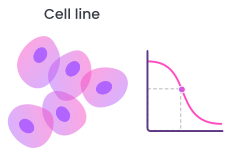
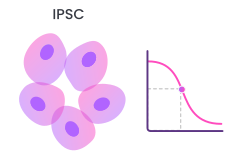
Human iPSC-derived hepatocytes
Predict hepatotoxicity and other off-target effects prior to animal studies, using our validated liver-focused cell models.
grid
Chronic exposure, up to 30 days
Idiosyncratic and chronic-onset DILI, the hardest category to predict, is directly addressable, unlike assays limited to acute exposure only.
grid
Immune-mediated injury (pixMAC)
pixHep · pixStellate · pixMAC tri-culture models. Kupffer cell activation and cytokine-driven hepatotoxicity, the idiosyncratic mechanism hepatocyte-only models can't see.
grid
AI-driven phenomics
Thousands of morphological features quantified per cell, on every study as standard, not an add-on. Detects mechanisms no targeted biochemical assay would catch.
grid
Zero structure storage
Tox Oracle predictions are stateless with respect to chemical identity. Outcomes inform model calibration without exposing your IP.
grid
Prospective model validation
Every Tox Oracle prediction confirmed by a wet-lab assay feeds a live performance record, not retrospective benchmarking on public datasets.
Not a report you wait for

Your data, live

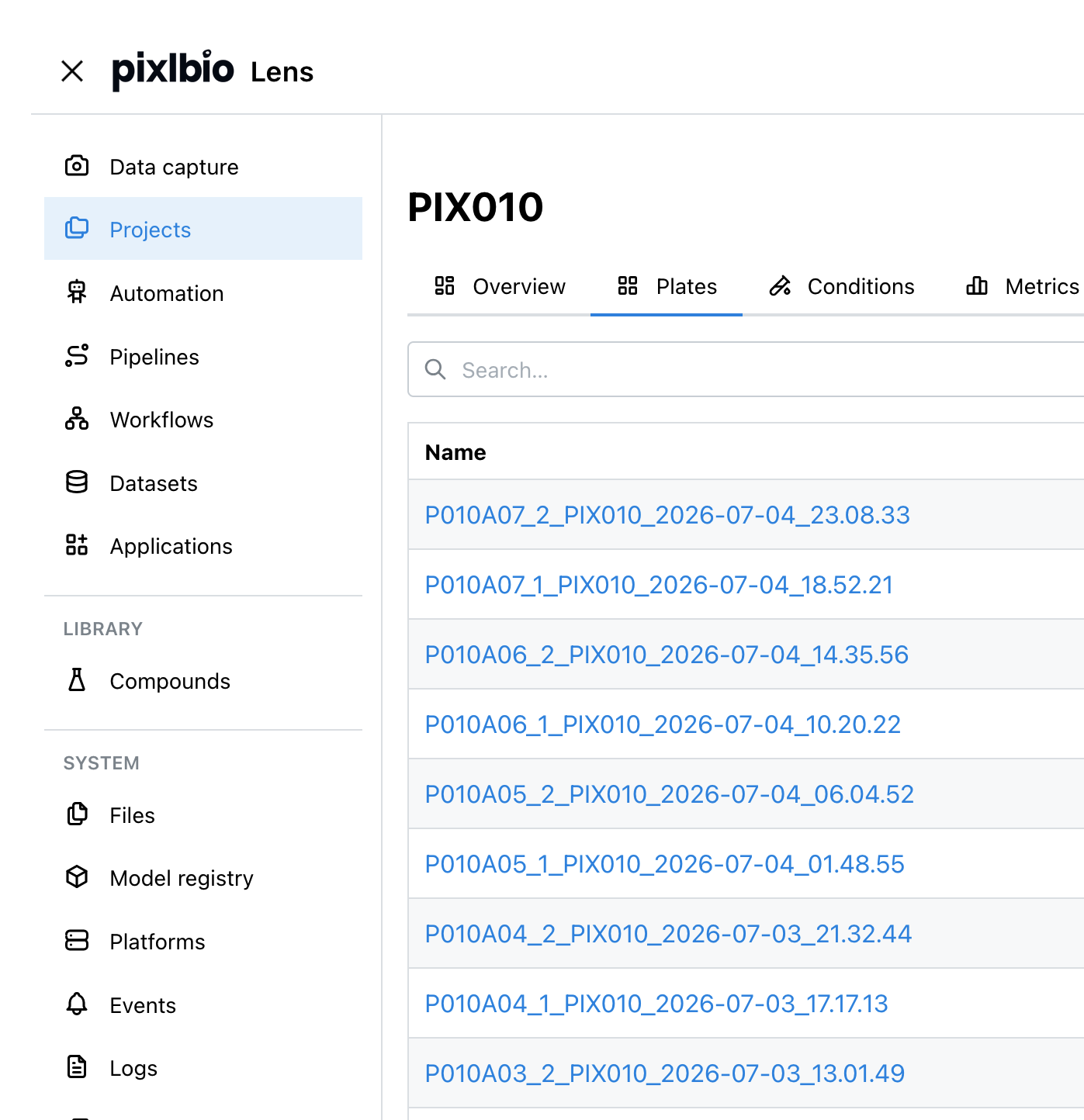
In silico predictions and wet-lab results sit in one environment, in Lens. Browse from a project-wide view down to a single well, compare compounds across studies, and track results over time.
Dashboard
Project view
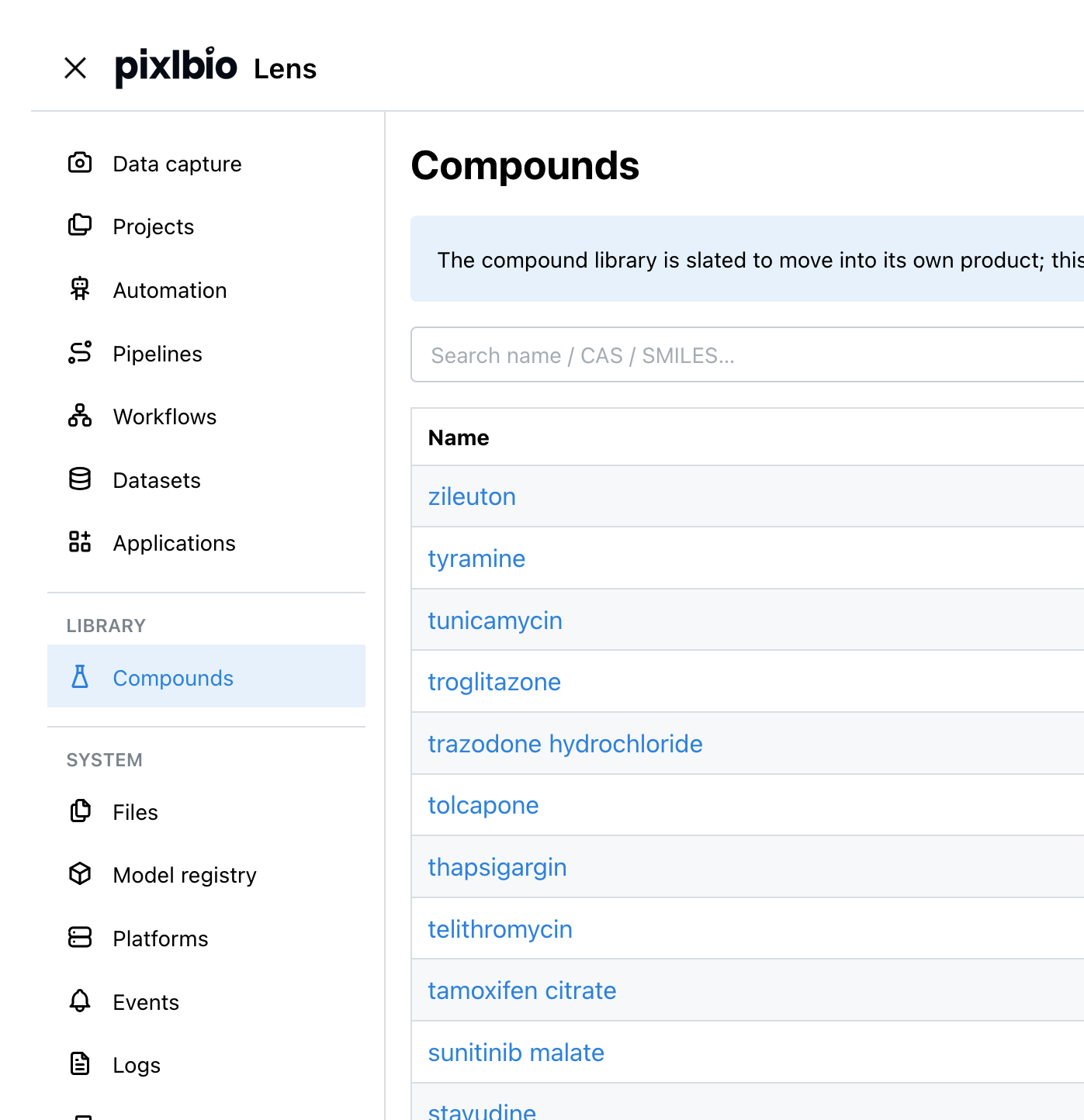
Compunds
Conditions
Ways to work with Tox Oracle

Start with one compound, or a full pipeline

No new product names to learn, three ways to use the same engine, depending on how much of your pipeline you want covered.
SINGLE COMPOUND
Single compound
Start with the in silico layer
The same triage from above one compound, one calibrated risk verdict, before you commit to synthesis.
PROGRAM
Screen your active series
Ongoing risk scoring as your lead series evolves, with mechanistic follow-up on any flag.
PARTNERSHIP
Ongoing pipeline coverage
Continuous mechanistic work across your programs, with a live performance record over time.

pixlbio’s unique combination of large scale automated Cell Painting capability, the high quality of the generated data, as well as their expertise in AI and predictive modelling, made them an obvious choice for AstraZeneca.”

Bjarki Johannesson, Director of Safety Innovation at AstraZeneca
Bjarki Johannesson
Director of Safety Innovation, AstraZeneca

pixlbio, was selected for the Sanofi iDEA-TECH Awards Program to receive Sanofi’s support for its project due to their demonstrated ability to develop high-quality predictive models from their exceptional data. Within the funded project, the pixlbio team showcased profound expertise in Cell painting for morphological profiling, automation, AI and predictive modelling, which truly validates them as deserving awardees.”

Bodo Brunner, Head of In Vitro Biology at Sanofi
Bodo Brunner
Head of In Vitro Biology and Cell Sample Technologies, Sanofi

pixlbio’s cellular models have significantly improved our Go-No/Go translational decisions across multiple programs over the years at Deep Genomics. The hepatic cell systems are far superior and physiologically relevant compared to commonly used cell lines. More recently, we have begun testing disease variant carrying models, further improving translatability of our screening systems. Working with both the BD and technical support teams at pixlbio has been an excellent experience. Response times have been very fast and technical support and information provided has been above and beyond on a regular basis. We are looking forward to working on additional systems coming from the pixlbio team.”
Denis Gallagher, Principal Scientist at Deep Genomics
Denis Gallagher
Principal Scientist, Deep Genomics
partner logo
partner logo
partner logo
Cluster of small purple dots forming a circular ring with scattered donut-like shapes on a light pink grid background.

The AI Phenomics Platform for Predictive Drug Discovery